
When it comes to days by the pool, most parents and guardians are in full sun-safety mode, sunscreen, rash guards, the works. But there’s one thing that tends to fly under the radar even for the most prepared swim parents: dehydration.
Dehydration can sometimes go unnoticed when families are spending time in the cool water. It’s hard to tell that it’s happening until it’s too late. But at Watermelon Swim, we’re here to let you know why you should be aware and what to look out for.

The Pool Is Really Good at Hiding the Signs
Here’s what normally happens when kids play outside in the heat: they run around, they get warm, they slow down, and eventually they ask for a drink. Their body sends signals that are easy to respond to.
In the water, that whole system can get scrambled. The water keeps their skin cool, so it’s much harder to recognize the signs of getting overheated. Sweat gets immediately washed away. None of the usual cues are registering, so kids just keep going.
Add a child that will happily stay in a pool until someone calls them out, and you have a situation where they can be significantly more dehydrated than they feel or appear.
They’re Still Sweating, You Just Can’t Tell
This is the part that surprises most parents. Being in water doesn’t stop the body from sweating. Physical activity drives fluid loss the same way whether your child is on a soccer field or splashing around in the backyard pool.
Florida summers combine high temperatures with intense humidity, which makes it harder for the body to cool itself and increases the risk of heat-related stress, even in the water. A long, active swim session under those conditions is real physical exertion. The body is working, fluids are being lost, but the normal signs of exertion are being disguised by the cool pool water.
What to Watch For
Early signs of heat-related illness include fatigue, dizziness, headaches, nausea, muscle cramps, and excessive thirst. In children, you might also notice a sudden drop in energy, or a general sense that something seems off even if they can’t put it into words. It’s worth knowing that by the time a child is actively complaining of thirst, they’re already behind on fluids, as thirst is a late-stage signal, not an early warning system.
What Helps
The good news is that staying ahead of this is easy. It just takes a bit of intention:
- Keep a water bottle with you. Have it within reach and accessible throughout the swim session; out of sight tends to mean out of mind, especially for younger kids.
- Schedule drink breaks. Every 20 to 30 minutes is a reliable starting point for active children. No need to drink a whole bottle during these breaks; a few long sips should do the trick!
- Don’t wait for thirst. Thirst is a sign you’re way behind on water intake. If you can’t remember the last time they took a sip, it has probably been too long.
- Build in shade breaks during peak heat hours. The most intense heat is typically between 11 am and 3 pm. Even a short break out of the sun with a cold drink makes a real difference — and it’s a good habit to establish early in the summer.
- Pay attention after pool time, too. Unusual fatigue, irritability, or low energy following a long swim day can be signs of mild dehydration. A good drink of water or sports drink and some rest are usually the right first response.
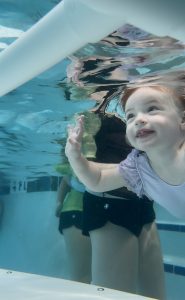
Stay Cool in The Pool
The water is one of the best places to spend a Florida summer; that will never be up for debate. But cool water and an afternoon of fun can make it easy to forget how hot it really is. Keep the water bottle as close as the sunscreen, build breaks into the routine for shade and rest, and your little melons will stay safer and happier during their swim.
Looking for more information about water safety? You’re in the right place! Keep checking our blog for ways to stay safer around the water all year round.